
Find the issues before choosing the finishes
Start with a walk-through, not a renovation shopping list. Note leaks, damaged surfaces, unreliable fixtures, and anything that may need professional evaluation. Gather service records, warranties, permits you have, and documentation of past repairs.
Ask a local real estate professional which issues buyers are likely to notice and which deserve specialist advice. A pre-listing inspection may be useful in some situations, but it is not a substitute for required disclosures. Ask how newly discovered information should be handled under your local rules.
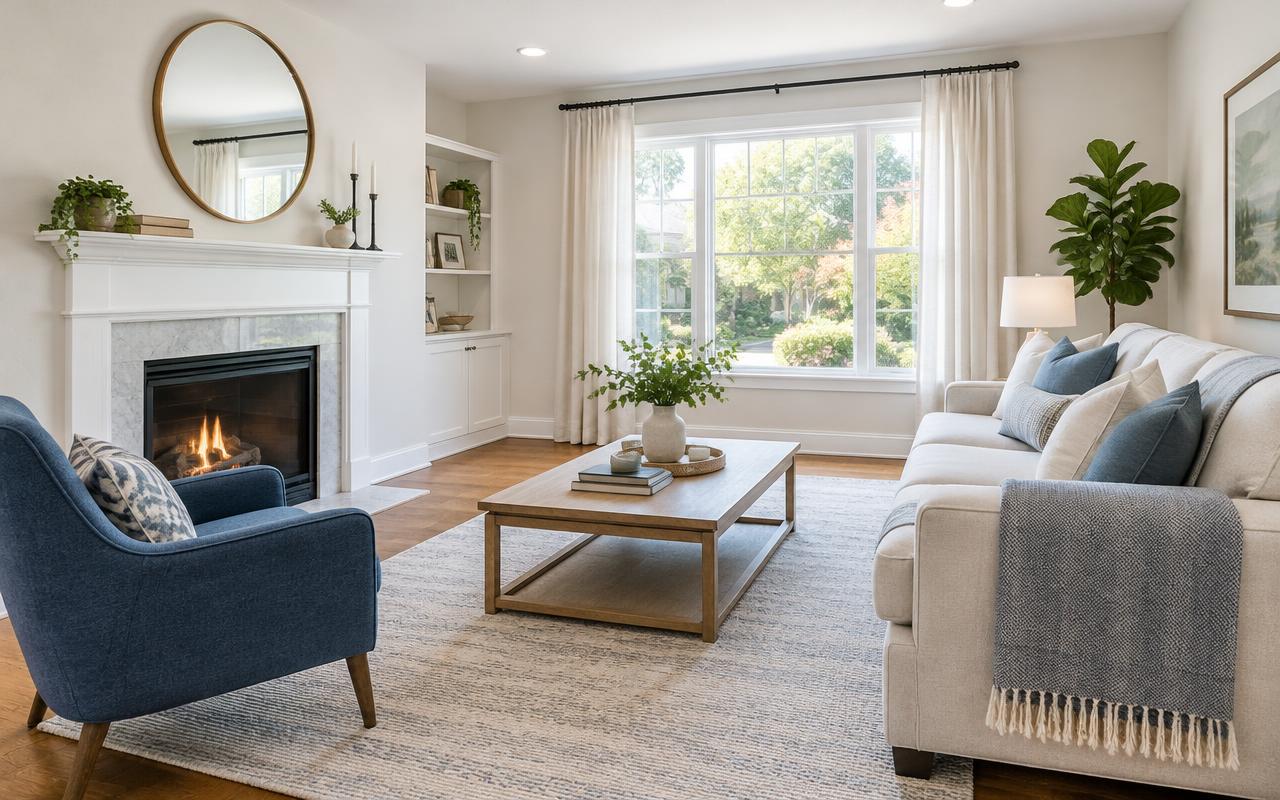
Make the home easy to see
Cleaning, reducing clutter, and arranging furniture so people can move comfortably are sensible starting points. Clear counters, clean windows, replace failed light bulbs, and make entryways accessible. Store personal documents, valuables, and medication securely before showings.
Help visitors understand the rooms as they are. A modest presentation refresh can be easier to manage than a major remodel. Get estimates before committing to work, and consider the disruption to your move as well as the cost. There is no guaranteed return on a staging or renovation budget.
Do not cover up a problem
A fresh coat of paint is not a repair for an active leak. If something requires professional attention, get it evaluated and keep a record of what was done. Do not conceal known damage or claim a system is new or fully repaired without supporting documentation.
Disclosure obligations differ by location and property. In the United States, many sales of housing built before 1978 have federal lead-based paint disclosure requirements, subject to exceptions. Check the applicable requirements with your agent or attorney; a generic checklist cannot determine your legal obligations.
Prepare for the listing and the move
Once the home is ready, arrange accurate listing photographs. Avoid edits that hide defects or misrepresent permanent features. Make a plan for pets, access, and your availability during showings, and agree with your agent on how feedback will be shared.
Review your likely selling expenses and the timing of your next home before setting expectations. Repairs, credits, moving costs, and closing arrangements can affect the result. Your next step is a local preparation plan based on your property’s condition—not an assumed sale price from a general article.
Sources & further reading
General educational guidance, not legal, tax, lending, or investment advice. Consult qualified local professionals about your circumstances. This guide does not report live market conditions.