
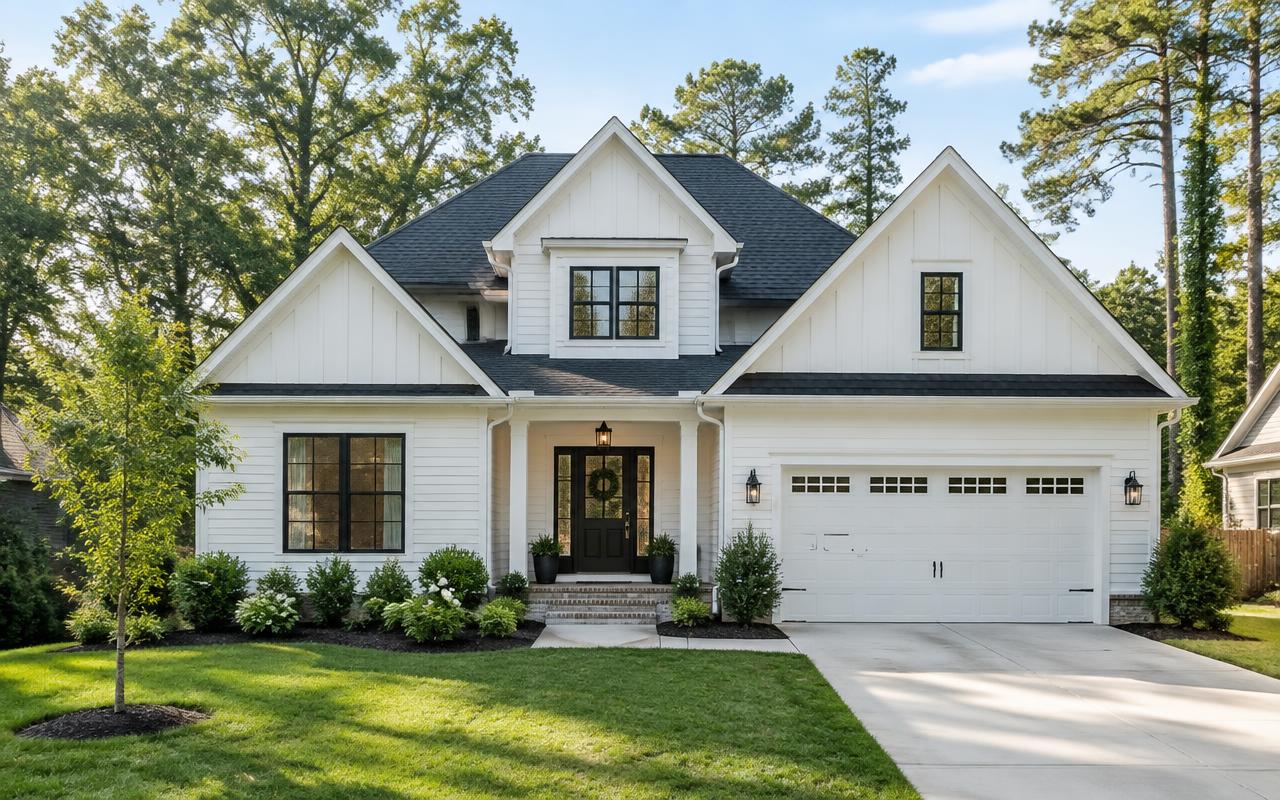
Choose the scope before the appointment
Ask the inspector what is included, what is excluded, and how they document inaccessible areas. A general inspection is not a warranty, appraisal or guarantee that every defect will be found. Local licensing requirements and property types vary.
Discuss specialist evaluations for concerns such as structural movement, water intrusion, wells, septic systems or pests. Schedule inspections within the deadlines in your purchase agreement and ask your agent or attorney what happens if additional evaluation takes longer.
Read findings in context
Attend when permitted and ask for clarification without expecting a purchase recommendation. Review the written report rather than relying on a verbal summary. Separate safety concerns, active damage, maintenance and items needing specialist investigation.
Obtain written estimates where appropriate. An inspector’s observation does not establish a repair price or require a seller to pay. Negotiating repairs, credits or cancellation depends on your contract and local rules.
Keep the documentation
Before the final walk-through, confirm how agreed repairs will be documented and who will evaluate them. Keep inspection reports and service records for your ownership plan. Do not confuse a final walk-through with a new professional inspection.
Sources & further reading
General educational guidance, not legal, tax, lending, or investment advice. Consult qualified local professionals about your circumstances. This guide does not report live market conditions.